Author: more spoons

  • Why Micronutrients Matter for the Immune System

    Micronutrients support many aspects of immune function, including:

    • Immune cell signaling
    • Cytokine production
    • Antioxidant defense
    • Immune cell differentiation
    • Regulation of inflammatory pathways

    Autoimmune diseases occur when immune tolerance breaks down and immune cells begin attacking the body’s own tissues. Researchers have identified several immune pathways involved in this process, including the balance between inflammatory immune responses and regulatory immune responses.

    Some micronutrients appear to influence these pathways, which has led researchers to explore their potential role in autoimmune disease.¹

    However, a key challenge in interpreting this research is determining cause versus consequence. Autoimmune diseases can affect nutrient absorption, metabolism, appetite, and dietary intake. As a result, nutrient differences observed in people with autoimmune conditions may reflect disease effects rather than underlying causes.


    Zinc and Immune Regulation

    Zinc is an essential trace element involved in many immune processes.

    Within immune cells, zinc functions as a signaling molecule that influences pathways involved in T-cell activation and cytokine production.¹²

    One immune pathway frequently discussed in autoimmune research involves the balance between:

    • Th17 cells, which promote inflammatory immune responses
    • Regulatory T cells, which help maintain immune tolerance

    Disruption of this balance has been implicated in several autoimmune diseases. Zinc appears to influence these immune pathways and may help regulate inflammatory signaling.¹

    Researchers have also observed lower circulating zinc levels in several autoimmune diseases, including rheumatoid arthritis and multiple sclerosis.¹

    However, most of the evidence in this area comes from mechanistic studies, animal models, or observational research. Large clinical trials examining zinc supplementation in autoimmune disease are still limited.

    Food Sources of Zinc

    • Oysters and other shellfish
    • Beef and poultry
    • Pumpkin seeds
    • Legumes
    • Nuts
    • Whole grains

    Vitamin D and Immune Tolerance

    Vitamin D is another nutrient frequently studied in autoimmune disease.

    Unlike many vitamins, vitamin D functions more like a hormone. Many immune cells — including T cells, B cells, and dendritic cells — express the vitamin D receptor, allowing vitamin D to influence immune cell activity and gene expression.¹

    Mechanistically, vitamin D appears to:

    • Reduce pro-inflammatory Th17 responses
    • Promote regulatory T-cell activity
    • Support immune tolerance

    Observational studies have found associations between low vitamin D levels and several autoimmune diseases.

    However, clinical trials examining vitamin D supplementation have produced mixed results. Systematic reviews of dietary interventions in rheumatoid arthritis report inconsistent improvements in clinical outcomes.³⁴

    This means vitamin D clearly plays a role in immune biology, but its role as a treatment strategy remains uncertain.

    Food Sources of Vitamin D

    • Fatty fish such as salmon and sardines
    • Fortified dairy products
    • Fortified plant milks
    • Egg yolks
    • Fortified cereals

    Sunlight exposure also contributes to vitamin D production in the skin.


    Omega-3 Fatty Acids and Rheumatoid Arthritis

    Omega-3 fatty acids are among the most extensively studied nutritional interventions for rheumatoid arthritis.

    The omega-3 fatty acids most commonly examined are EPA and DHA, which are found in fatty fish and fish oil supplements.

    Omega-3 fatty acids influence inflammatory signaling by altering the production of eicosanoids — molecules that play a role in inflammatory responses.⁵

    Some randomized trials have reported modest improvements in rheumatoid arthritis symptoms such as:

    • Joint pain
    • Morning stiffness
    • Reduced use of NSAIDs

    However, systematic reviews and umbrella reviews of randomized trials report heterogeneous results and generally modest clinical effects.³⁴

    For this reason, omega-3 fatty acids are generally considered supportive nutritional strategies rather than primary treatments.

    Food Sources of Omega-3 Fatty Acids

    • Salmon
    • Sardines
    • Mackerel
    • Anchovies
    • Walnuts
    • Chia seeds
    • Flax seeds

    Selenium and Autoimmune Thyroid Disease

    Selenium plays an important role in thyroid health.

    The thyroid gland contains one of the highest selenium concentrations in the body because selenium is incorporated into selenoproteins that help regulate thyroid hormone metabolism and protect thyroid tissue from oxidative stress.⁶⁷

    Oxidative stress is thought to contribute to autoimmune thyroid diseases such as Hashimoto’s thyroiditis.

    Some studies suggest selenium supplementation may reduce thyroid antibody levels in certain individuals with Hashimoto’s disease.

    However, many studies measure changes in antibody levels rather than meaningful clinical outcomes, such as symptoms or disease progression.⁸ Because of this, the clinical significance of selenium supplementation remains an area of ongoing research.

    Food Sources of Selenium

    • Brazil nuts
    • Seafood
    • Eggs
    • Poultry
    • Whole grains

    Iodine and Thyroid Autoimmunity

    Iodine is essential for thyroid hormone production.

    However, unlike many nutrients, both deficiency and excess intake can affect thyroid health. High iodine intake has been associated with increased risk of autoimmune thyroid disease in genetically susceptible individuals.⁹

    This highlights an important principle in nutrition and autoimmune disease: more is not always better. Maintaining appropriate nutrient intake ranges is often more important than increasing intake above typical levels.

    Food Sources of Iodine

    • Iodized salt
    • Seafood
    • Dairy products
    • Seaweed

    Key Takeaways

    Micronutrients clearly play important roles in immune function. Nutrients such as zinc, vitamin D, selenium, and omega-3 fatty acids influence immune signaling, inflammation, and oxidative stress.

    However, much of the research in this area focuses on biologic mechanisms and associations, rather than definitive clinical treatments.

    For people living with autoimmune disease, nutrition can support overall health and complement medical care — but it is rarely a stand-alone treatment strategy. Understanding these nutrient-immune interactions helps researchers better understand autoimmune disease biology and may eventually inform more targeted therapies in the future.


    References

    1. Wessels I, Rink L. Micronutrients in autoimmune diseases: possible therapeutic benefits of zinc and vitamin D. J Nutr Biochem. 2020;77:108240.
    2. Bonaventura P, Benedetti G, Albarède F, Miossec P. Zinc and its role in immunity and inflammation. Autoimmun Rev. 2015;14(4):277-285.
    3. Philippou E, Petersson SD, Rodomar C, Nikiphorou E. Rheumatoid arthritis and dietary interventions: systematic review of clinical trials. Nutr Rev. 2021;79(4):410-428.
    4. Cheng XE, Hu X, Tang J, et al. Effects of nutritional supplements and dietary interventions on rheumatoid arthritis: an umbrella review of meta-analyses of randomized controlled trials. Autoimmun Rev. 2025.
    5. Nikiphorou E, Philippou E. Nutrition and its role in prevention and management of rheumatoid arthritis. Autoimmun Rev. 2023;22(7):103333.
    6. Hu S, Rayman MP. Multiple nutritional factors and the risk of Hashimoto’s thyroiditis. Thyroid. 2017;27(5):597-610.
    7. Rayman MP. Multiple nutritional factors and thyroid disease, with particular reference to autoimmune thyroid disease. Proc Nutr Soc. 2019;78(1):34-44.
    8. Morasiewicz-Jeziorek J, Buczyńska A, Krętowski AJ, Adamska A. The role of immunological challenges, oxidative stress, and dietary interventions in managing Hashimoto’s thyroiditis: a narrative review. Nutr Rev. 2026.
    9. Duntas LH. Nutrition and thyroid disease. Curr Opin Endocrinol Diabetes Obes. 2023;30(6):324-329.

    Want personalized, neuro-affirming, weight-neutral, LGBTQIA+ affirming nutrition care? Please send me a message below! 

    This article is for informational purposes only and is not intended as medical advice. Before incorporating any of these suggestions, consult with a qualified healthcare professional. If you are seeking personalized guidance, schedule a consultation with me, an integrative registered dietitian nutritionist (RDN), to ensure you make safe, evidence-based choices.


  • Rethinking Low-Histamine Diets

    Rethinking Low-Histamine Diets

    In the world of clinical nutrition, we are trained to rely on evidence-based guidelines — large trials, controlled interventions, and reproducible outcomes. But what happens when patient improvement precedes the evidence?

    That’s exactly the case with low histamine diets in conditions like Mast Cell Activation Syndrome (MCAS) and histamine intolerance.

    While published studies are limited, clinicians working with complex, multisystem patients — including those with MCAS, Ehlers-Danlos Syndrome (EDS), post-viral syndromes, and long COVID — have seen substantial symptom relief from tailored low histamine nutrition protocols. Many patients report significant reductions in bloating, hives, headaches, brain fog, flushing, and fatigue — sometimes after years of failed pharmacologic treatment.

    This article explores low histamine diets through the lens of real-world clinical efficacy, with a special emphasis on caution in eating disorder populations.


    What the Research Says (and Doesn’t)

    It’s true: low histamine diets are not yet part of formal MCAS treatment guidelines [1–2,5–6]. Most published data comes from small studies with short durations, no control groups, and highly variable food exclusion lists [7,11–12].

    However, emerging research supports the role of dietary histamine in symptom generation, especially in patients with low diamine oxidase (DAO) activity — the main enzyme responsible for histamine breakdown [1,3,7].

    A few promising findings:

    • Symptom improvement and increased DAO activity have been observed in compliant patients on low histamine diets [4,7,11].
    • Histamine-reduced diets are under investigation in placebo-controlled trials with DAO supplementation as an adjunct [6].
    • Despite inconsistent food lists, certain triggers — like fermented foods, alcohol, and aged cheeses — are widely agreed upon and correlate strongly with symptom flares in clinical practice [12].

    Still, the variability in responses underscores that histamine intolerance is likely a spectrum, not a single entity [3,10].


    When Low Histamine Diets Help: The Clinical Reality

    In practice, the patients who benefit most often have:

    • Clear, reproducible multisystem symptoms after eating histamine-rich foods (e.g., bloating, hives, diarrhea, migraines, flushing, or brain fog)
    • A diagnosis of MCAS or strong suspicion thereof
    • Incomplete response to pharmacologic therapy (H1/H2 blockers, cromolyn sodium, leukotriene inhibitors)
    • A personal history of chronic GI issues or suspected small intestinal bacterial overgrowth (SIBO)
    • No history of restrictive eating disorders

    These patients often intuitively start restricting histamine-laden foods long before they receive formal guidance — and feel validated when they finally meet a clinician who understands the rationale.

    For them, a low histamine diet can be life-changing.


    But Not for Everyone: Navigating Eating Disorders and Disordered Eating

    In patients with a history of eating disorders (EDs), the risks of triggering or worsening disordered eating often outweigh the uncertain benefits of histamine restriction.

    MCAS and EDs frequently coexist, and the drive to control symptoms through food avoidance can mask or worsen psychological distress.

    Risks in this group include:

    • Reinforcement of food fears or orthorexia
    • Nutritional inadequacy, especially if multiple other diets are already in place (e.g., low FODMAP, SCD, gluten-free)
    • Loss of social and emotional connection to food
    • Worsening malnutrition or relapse

    As a result, dietary interventions should proceed only with multidisciplinary support, including a dietitian trained in EDs, mental health professionals, and GI/allergy specialists [4,8].


    Bridging Evidence with Experience

    Here’s the truth clinicians know: healing doesn’t always wait for randomized controlled trials.

    While we should always advocate for stronger evidence and standardized protocols, it’s equally important to trust what we observe in practice.

    A low histamine diet, implemented with compassion, context, and clinical judgment, can be a powerful tool — especially in patients who’ve exhausted pharmacologic options.

    But as with all powerful tools, its use must be targeted and mindful of individual vulnerabilities.

    Low histamine diets are not cure-alls — and they’re not for everyone.


    Final Thoughts:

    But for patients with clear food-triggered symptoms, diagnosed or suspected MCAS, and no history of eating disorders, they can offer significant relief.

    In your own practice — and in many patients’ lives — this has already proven true.

    Rather than dismissing the diet due to limited trials, we must continue practicing with both scientific integrity and clinical intuition — ensuring we tailor interventions not only to biology, but to the full lived experience of the patient.


    References

    1. Maintz L, Novak N. Histamine and Histamine Intolerance. Am J Clin Nutr. 2007;85(5):1185–96.
    2. Castells M, Butterfield J. MCAS and Mastocytosis: Initial Treatment Options. J Allergy Clin Immunol Pract. 2019;7(4):1097–1106.
    3. Hrubisko M et al. Histamine Intolerance – The More We Know…. Nutrients. 2021;13(7):2228.
    4. Hamilton MJ. MCAS and Gut Dysfunction. Curr Gastroenterol Rep. 2024;26(4):107–114.
    5. Akin C et al. MCAS: Status 2026. J Allergy Clin Immunol Pract. 2025.
    6. Duelo A et al. Study Protocol: Low Histamine Diet + DAO Trial. Nutrients. 2024;17(1):29.
    7. Jackson K et al. Evidence for Dietary Management of Histamine Intolerance. Int J Mol Sci. 2025;26(18):9198.
    8. Weiler CR et al. MCAS Diagnosis and Management. J Allergy Clin Immunol. 2019;144(4):883–96.
    9. Valent P et al. Diagnosis & Classification of MCAS. Int J Mol Sci. 2020;21(23):9030.
    10. Tamasi J, Kalabay L. Proposal for Diagnosis of Histamine Intolerance. J Clin Med. 2025;14(2):311.
    11. Lackner S et al. DAO Activity and Compliance with Histamine-Reduced Diet. Eur J Clin Nutr. 2019;73(1):102–104.
    12. Sánchez-Pérez S et al. Are Low-Histamine Food Lists Justified? Nutrients. 2021;13(5):1395.

    This article is for informational purposes only and is not intended as medical advice. Before incorporating any of these suggestions, consult with a qualified healthcare professional. If you are seeking personalized guidance schedule a consultation with me—an integrative registered dietitian nutritionist (RDN)—to ensure you make safe and evidence-based choices.

    Messages are only secure if you use the link, not the email in the link. You will receive a code when you receive a response, separate from the message, from Hippo Mail.

  • Nutrition, Sensory Sensitivities, and Perimenopause: An Autistic Dietitian’s Perspective

    Nutrition, Sensory Sensitivities, and Perimenopause: An Autistic Dietitian’s Perspective

    As an autistic dietitian, I often hear from autistic women who say their sensory sensitivities feel “louder” in midlife. Foods they used to tolerate suddenly feel unbearable, grocery stores feel too bright, and even the smell of cooking oil can turn a meal into a battle. What’s happening isn’t “all in your head.” For many of us, sensory changes intensify during perimenopause, when hormone levels — especially estrogen — fluctuate in ways that can amplify stress responses and sensory experiences (Harak et al, 2025).

    How Sensory Sensitivities Affect Eating

    Autistic sensory profiles vary widely, but for many of us, taste, texture, smell, or even temperature can make eating stressful. These preferences often narrow food choices, and over time, that can affect nutrient intake — especially if entire food groups (like meats, dairy, or certain vegetables) are avoided (Pérez-Cabral et al, 2024). Limited variety doesn’t just influence physical health — it can affect mood, energy, and sensory regulation. Nutrients like omega-3 fatty acids and B-vitamins support neurotransmitter balance and brain health, both of which are key for sensory processing and emotional stability (Infante et al, 2020; Długosz et al, 2025).

    Food-Based Support for Sensory Well-Being

    When I work with autistic clients — especially women in midlife — I focus first on real foods that feel safe and manageable, before considering supplements.


    Here are some strategies that often help:

    • Start with comfort textures. If smooth or crunchy foods feel best, build balanced meals around them. Smoothies, soups, and yogurt can be nutrient-dense if blended with fruits, seeds, or soft-cooked greens. Crunchy preferences? Try roasted chickpeas, seed crackers, or crisp apples with nut butter.
    • Add omega-3s without triggering texture issues. If fish is challenging, ground flaxseed or chia mixed into oatmeal, smoothies, or soft snacks can boost alpha-linolenic acid intake.
    • Use color and variety gently. Instead of forcing new foods, pair familiar favorites with one new element in small amounts — for example, a few spinach leaves blended into a fruit smoothie or grated carrots mixed into rice.
    • Mind gentle smells. Steaming or baking instead of frying reduces strong cooking odors. Cold meals like grain bowls or overnight oats can be helpful on high-sensitivity days.

    The Role of Balanced Nutrition

    Even small dietary adjustments can make a meaningful difference. Research shows that diets rich in antioxidants and anti-inflammatory foods — berries, leafy greens, legumes, nuts, and seeds — may help modulate oxidative stress and inflammation, processes linked with both brain and hormonal health (Naranjo-Galvis et al, 2025; Arteaga-Henríquez et al, 2023).


    Including adequate protein throughout the day also helps stabilize energy and mood, especially during hormone fluctuations. Lean meats, eggs, tofu, lentils, and Greek yogurt are good options — or, for texture-sensitive eaters, protein powders can be blended into tolerated bases like oatmeal or smoothies (Karhu et al, 2020).

    It’s also worth noting that some autistic women experiment with gluten-free or casein-free diets. The evidence is mixed — some report improvements in gut comfort or mood, while others see no change (Fraguas et al, 2019; Karhu et al, 2020). The key is personal fit, not restriction for its own sake. If removing a food helps you feel better, make sure the nutrients it provided (like calcium, vitamin D, or fiber) are replaced through other sources.

    Perimenopause and Hormonal Shifts

    During perimenopause, fluctuating estrogen and progesterone levels influence neurotransmitters like serotonin and GABA, which play roles in mood regulation and sensory processing. These hormonal changes can heighten sensitivities and impact sleep, focus, and emotional regulation. Research suggests that eating enough protein and omega-3 fats, along with vitamins B, C, D, and calcium, can help maintain hormonal balance and support bone and cardiovascular health during this stage (Harak et al, 2025).

    If you find your sensory sensitivities are sharper in the week before your period or during hot flashes, it’s not just coincidence. Hormonal changes alter how we experience light, sound, and even pain. On those days, focus on gentle, predictable meals that you don’t have to overthink — like oatmeal with seeds and berries, or eggs with avocado toast. Predictability can be calming for both the nervous system and digestion.

    Supplements — When and Why

    Food first, always — but there are times when supplements may be worth discussing. Deficiencies in vitamin D, B12, folate, or omega-3s are relatively common in autistic adults and may worsen fatigue or mood changes (Avram et al, 2025; Serafim et al, 2025). If blood work confirms low levels, supplementation can be helpful, but always under guidance from a healthcare provider. Some supplements, like L-carnitine or melatonin, show early promise for supporting mood or sleep in autistic adults, but the evidence is still emerging (Długosz et al, 2025).

    Gentle Nutrition for Real Life

    Autistic bodies often crave predictability and sensory safety, and nutrition can honor that. Instead of pushing drastic change, think small, supportive shifts that respect your sensory world and energy levels:

    • Keep a few go-to safe meals that meet your nutrient needs.
    • Eat regularly — even when appetite is low — to stabilize blood sugar and prevent meltdowns or crashes.
    • If food prep feels overwhelming, use frozen produce, canned beans, or pre-cooked proteins. Nutrition doesn’t have to be perfect; it has to be possible.
    • Stay hydrated — even mild dehydration can heighten sensory stress (Campbell & Spano, 2011). Try herbal teas or naturally flavored water if plain water feels unappealing.

    As autistic women, we deserve nutrition guidance that recognizes our sensory experiences, not works against them. Our needs may not fit mainstream dietary advice — and that’s okay. Supporting our bodies through perimenopause means feeding ourselves in ways that reduce overwhelm, not add to it.

    If this resonates, share it with another autistic woman navigating midlife changes. The more we talk about how sensory and hormonal health intersect, the more supportive and inclusive nutrition care can become. You can sign up for my newsletter by sending me a message below.


    This article is for informational purposes only and is not intended as medical advice. Before incorporating any of these suggestions, consult with a qualified healthcare professional. If you are seeking personalized guidance schedule a consultation with me—an registered dietitian nutritionist (RDN)—to ensure you make safe and evidence-based choices.


    References

    1. Pérez-Cabral ID, Bernal-Mercado AT, Islas-Rubio AR, et al. Exploring dietary interventions in autism spectrum disorder. Foods (Basel). 2024;13(18):3010. doi:10.3390/foods13183010
    2. Naranjo-Galvis CA, Trejos-Gallego DM, Correa-Salazar C, et al. Anti-inflammatory diet and probiotic supplementation as strategies to modulate immune dysregulation in autism spectrum disorder. Nutrients. 2025;17(16):2664. doi:10.3390/nu17162664
    3. Długosz A, Wróblewski M, Błaszak B, Szulc J. The role of nutrition, oxidative stress, and trace elements in the pathophysiology of autism spectrum disorders. Int J Mol Sci. 2025;26(2):808. doi:10.3390/ijms26020808
    4. Infante M, Sears B, Rizzo AM, et al. Omega-3 PUFAs and vitamin D co-supplementation as a safe-effective therapeutic approach for core symptoms of autism spectrum disorder: case report and literature review. Nutr Neurosci. 2020;23(10):779-790. doi:10.1080/1028415X.2018.1557385
    5. Arteaga-Henríquez G, Gisbert L, Ramos-Quiroga JA. Immunoregulatory and/or anti-inflammatory agents for the management of core and associated symptoms in individuals with autism spectrum disorder: a narrative review of randomized, placebo-controlled trials. CNS Drugs. 2023;37(3):215-229. doi:10.1007/s40263-023-00993-x
    6. Karhu E, Zukerman R, Eshraghi RS, et al. Nutritional interventions for autism spectrum disorder. Nutr Rev. 2020;78(7):515-531. doi:10.1093/nutrit/nuz092
    7. Fraguas D, Díaz-Caneja CM, Pina-Camacho L, et al. Dietary interventions for autism spectrum disorder: a meta-analysis. Pediatrics. 2019;144(5):e20183218. doi:10.1542/peds.2018-3218
    8. Serafim SDS, Sant Anna LM, Rover MRM. Dietary supplements in the management of symptoms associated with autism spectrum disorder: a scoping review. Nutr Rev. 2025;nuaf085. doi:10.1093/nutrit/nuaf085
    9. Avram OE, Bratu EA, Curis C, Moroianu LA, Drima E. Modifiable nutritional biomarkers in autism spectrum disorder: a systematic review and meta-analysis of vitamin D, B12, and homocysteine exposure spanning prenatal development through late adolescence. Int J Mol Sci. 2025;26(9):4410. doi:10.3390/ijms26094410
    10. Harak SS, Shelke SP, Mali DR, Thakkar AA. Navigating nutrition through the decades: tailoring dietary strategies to women’s life stages. Nutrition (Burbank, Los Angeles County, Calif). 2025;135:112736. doi:10.1016/j.nut.2025.112736
    11. Campbell BI, Spano MA. NSCA’s Guide to Sport and Exercise Nutrition. Champaign, IL: Human Kinetics; 2011.
  • What is Dopamine Mining?

    What is Dopamine Mining?

    Dopamine Mining in ADHD: A Food-Based Perspective

    What is Dopamine Mining?
    In ADHD, the brain often seeks quick dopamine hits. Foods high in sugar, fat, and refined carbs trigger a fast, intense reward—leading to “dopamine mining,” or over-relying on these foods to feel good.

    Why It Matters:
    This behavior can worsen mood swings, energy crashes, and executive function—making focus and consistency harder.


    Common Dopamine-Mining Foods

    • Sugary snacks (candies, pastries, soda)
    • Ultra-processed carbs (white bread, chips)
    • High-fat + high-sugar combos (ice cream, donuts)

    These hijack dopamine receptors, creating a cycle of craving and crash.


    How to Overcome It with Food

    Goals:

    • Provide steady dopamine support through whole foods
    • Satisfy sensory needs (crunchy, chewy, creamy)
    • Include protein, fiber, and healthy fats to balance blood sugar

    Smart Snack Swaps for Dopamine Balance

    Each of these hits the sweet/chewy/creamy combo while supporting brain chemistry:

    • “Fluffy Yogurt” Bowl:
      Greek yogurt (plain or vanilla), chia seeds, berries, chopped dried figs, a sprinkle of granola or cocoa nibs.
    • Protein Date Rolls:
      Medjool dates filled with nut butter and rolled in shredded coconut or crushed peanuts.
    • Frozen Banana Pops:
      Half bananas dipped in dark chocolate, rolled in nuts/seeds, and frozen.
    • Cottage Cheese + Apple Slices:
      Add cinnamon and sunflower seeds for crunch.
    • Tofu Berry Smoothie:
      Silken tofu, frozen berries, oats, and a dash of maple syrup. Optional: splash of vanilla extract.
    • Nut Butter Rice Cake Stack:
      Almond butter, banana slices, hemp seeds, and a light drizzle of honey.
    • Chickpea Cookie Dough Bites:
      Mashed chickpeas, peanut butter, oat flour, vanilla, mini dark chocolate chips.

    Tips for Long-Term Change

    • Pair carbs with protein/fat to avoid crashes.
    • Satisfy texture cravings (crunch, chew) with nuts, seeds, dried fruit, and whole grains.
    • Don’t restrict—balance is more sustainable than elimination.

    Want to work with a neurodivergent dietitian? Send me a message below. I’m in-network with insurance!

    This article is for informational purposes only and is not intended as medical advice. Before incorporating ginseng or any supplement into your routine, consult with a qualified healthcare professional. If you are seeking personalized guidance on herbal supplementation, schedule a consultation with me—an integrative registered dietitian nutritionist (RDN)—to ensure you make safe and evidence-based choices.

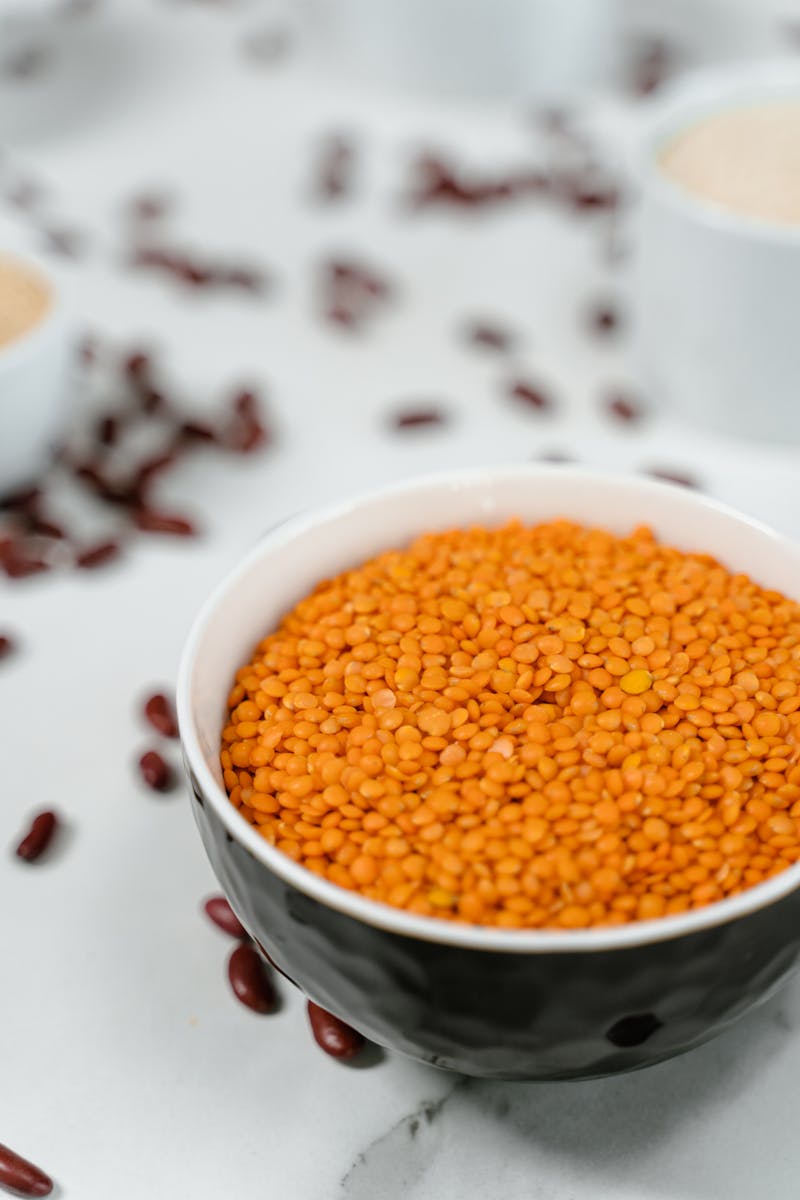
  • Lentils and CFS/ME

    Lentils and CFS/ME

    The Benefits of Lentils for People with Chronic Fatigue Syndrome

    Living with Chronic Fatigue Syndrome (CFS) presents numerous challenges, including managing persistent fatigue, nutritional deficiencies, and overall health. Nutrition plays a crucial role in supporting the body’s energy levels and immune function, and lentils are a powerful food that can offer significant benefits for individuals with CFS. This blog post explores the nutritional value of lentils and highlights how they can help manage symptoms and improve quality of life for those with CFS.

    Nutritional Profile of Lentils

    A 1/2 cup serving of cooked lentils (approximately 100 grams) provides a wealth of vitamins, minerals, and macronutrients that are particularly beneficial for people with CFS:

    1. Protein: ~9 grams. Lentils are an excellent source of plant-based protein, essential for muscle repair and maintaining energy levels, which is crucial for combating the fatigue associated with CFS.

    2. Fiber: ~8 grams. High in dietary fiber, lentils aid in digestion and help maintain stable blood sugar levels, preventing energy crashes and promoting sustained energy throughout the day.

    3. Iron: ~3.3 mg. Iron is vital for producing hemoglobin, which carries oxygen to the body’s cells. Adequate iron levels can help reduce feelings of fatigue and improve overall energy levels, which are often compromised in CFS.

    4. Folate (Vitamin B9): ~180 mcg (micrograms). Folate supports DNA synthesis and repair, which is important for cellular health and energy production. It also aids in reducing homocysteine levels, which can contribute to inflammation and fatigue.

    5. Magnesium: ~36 mg. Magnesium plays a key role in energy production and muscle function. It helps combat muscle weakness and fatigue, common symptoms in individuals with CFS.

    6. Potassium: Amount:** ~365 mg. Potassium helps maintain fluid balance and proper muscle function, which can alleviate some of the physical symptoms of CFS, such as muscle cramps and weakness.

    7. Zinc: ~1.3 mg. Zinc is important for immune function and overall health. A robust immune system can help manage the frequent infections and immune dysfunction often seen in CFS.

    8. Vitamin B6: ~0.2 mg. Vitamin B6 is involved in energy metabolism and neurotransmitter production, supporting cognitive function and mood, which can be affected in CFS.

    9. Phosphorus: ~180 mg. Phosphorus is crucial for the formation of ATP, the primary energy carrier in cells, helping to improve energy levels in individuals with CFS.

    10. Manganese: ~0.5 mg. Manganese supports energy metabolism and helps reduce inflammation, both of which are beneficial for managing CFS symptoms.

    Health Benefits of Lentils for CFS

    1. Energy Support: The combination of protein, iron, magnesium, and phosphorus in lentils helps support sustained energy levels, crucial for individuals with CFS who struggle with chronic fatigue.

    2. Digestive Health: The high fiber content in lentils promotes a healthy digestive system, which can be beneficial in managing gastrointestinal symptoms often experienced by those with CFS.

    3. Immune Function: Lentils provide essential nutrients like zinc and folate that support immune health, helping to manage the immune dysfunction commonly seen in CFS.

    4. Anti-inflammatory Properties: Nutrients such as manganese and magnesium help reduce inflammation, which can alleviate some of the chronic pain and discomfort associated with CFS.

    5. Mental and Cognitive Support: Vitamins B6 and folate support brain health and neurotransmitter function, which can help improve cognitive function and mood in individuals with CFS.

    How to Incorporate Lentils into Your Diet

    Lentils are incredibly versatile and can be used in various dishes to suit different tastes and dietary needs. Here are some ideas to help you incorporate more lentils into your diet:

    • Soups and Stews: Add lentils to soups and stews for a hearty, nutritious boost.
    • Salads: Mix cooked lentils into salads for added protein and texture.
    • Curries: Use lentils as a base for flavorful curries and dals.
    • Veggie Burgers: Blend lentils with vegetables and spices to make homemade veggie burgers.
    • Side Dishes: Serve lentils as a simple side dish, seasoned with herbs and spices.

    Lentils are a nutritional powerhouse that can significantly benefit individuals with Chronic Fatigue Syndrome. Their rich content of protein, fiber, vitamins, and minerals supports energy levels, immune function, and overall health. By incorporating lentils into your diet, you can help manage CFS symptoms and improve your quality of life. As always, it’s important to consult with a healthcare provider before making significant changes to your diet, especially if you have specific health concerns related to CFS.


    Want to work with a neurodivergent dietitian? Send me a message below.

  • Comparison of the CDED, SCD, and Mediterranean Diet in Crohn’s Disease Management

    Comparison of the CDED, SCD, and Mediterranean Diet in Crohn’s Disease Management

    Dietary interventions are increasingly recognized as critical in managing Crohn’s disease (CD). Among the most studied diets are the Crohn’s Disease Exclusion Diet (CDED), the Specific Carbohydrate Diet (SCD), and the Mediterranean Diet (MD). Each of these diets presents distinct mechanisms and clinical implications.


    Crohn’s Disease Exclusion Diet (CDED)

    Overview:
    CDED is a structured, whole-food diet aimed at reducing exposure to dietary components that impair intestinal barrier function and promote dysbiosis. It is often paired with Partial Enteral Nutrition (PEN) in a phased approach.

    Evidence:
    A pivotal trial by Levine et al. demonstrated that CDED combined with PEN induced remission in 80% of pediatric CD patients by week 6, outperforming Exclusive Enteral Nutrition (EEN) in terms of tolerability and long-term adherence.1 Further studies have replicated these findings in adults.2

    Strengths:

    • Proven efficacy in inducing and maintaining remission
    • Higher adherence rates compared to EEN
    • Addresses both inflammation and microbiota imbalances

    Limitations:

    • Requires use of nutritional formulas
    • Structured phases may be complex for patients to follow

    Specific Carbohydrate Diet (SCD)

    Overview:
    SCD restricts complex carbohydrates, lactose, and processed foods, focusing on monosaccharides to limit bacterial fermentation and potential inflammation.

    Evidence:
    The DINE-CD trial, a randomized controlled study, found no significant difference in clinical remission rates between SCD and the Mediterranean diet in adults with mild to moderate CD.3 While some retrospective studies and anecdotal reports suggest symptom improvement, large-scale evidence remains inconsistent.4

    Strengths:

    • Emphasizes whole, unprocessed foods
    • May improve symptoms in select individuals

    Limitations:

    • Highly restrictive and difficult to sustain
    • Risk of nutritional deficiencies
    • Lack of consistent clinical efficacy

    Mediterranean Diet (MD)

    Overview:
    The Mediterranean diet emphasizes high consumption of fruits, vegetables, legumes, olive oil, whole grains, and moderate intake of fish and poultry, with minimal processed foods and red meat.

    Evidence:
    In the DINE-CD trial, the Mediterranean diet achieved similar remission rates to SCD, with higher patient satisfaction and sustainability.3 Its anti-inflammatory effects and cardiometabolic benefits are well documented across multiple populations.5

    Strengths:

    • Easier to adopt and maintain long term
    • Beneficial beyond IBD (e.g., cardiovascular health)
    • Less restrictive, nutritionally balanced

    Limitations:

    • May require customization for individual intolerances
    • Slightly less targeted than CDED for gut-specific inflammation

    Comparative Summary

    DietRemission InductionRestrictivenessLong-Term AdherenceAdditional Benefits
    CDEDHigh (especially with PEN)1,2Moderate to HighModerateGut-specific; targets dysbiosis
    SCDVariable3,4HighLowMay help symptoms; low-quality evidence
    MDModerate3,5LowHighCardiovascular and anti-inflammatory benefits

    Conclusion

    While all three diets can offer therapeutic value in Crohn’s disease, current evidence supports the CDED (with PEN) as the most effective for inducing remission, especially in children. The Mediterranean diet is highly sustainable, with broader health benefits and similar efficacy to SCD in symptom control. The SCD, although promising for some, lacks robust evidence and is challenging to maintain.

    Individualization of dietary therapy, in collaboration with a gastroenterologist and registered dietitian, remains crucial.


    References

    1. Levine A, Wine E, Assa A, et al. Crohn’s disease exclusion diet plus partial enteral nutrition induces sustained remission in a randomized controlled trial. Gastroenterology. 2019;157(2):440-450.e8. doi:10.1053/j.gastro.2019.04.021
    2. Yanai H, Shachar E, Levine A. The Crohn’s disease exclusion diet for induction and maintenance of remission in adults with mild-to-moderate Crohn’s disease. Therap Adv Gastroenterol. 2022;15:17562848221109464. doi:10.1177/17562848221109464
    3. Lewis JD, Chen EZ, Baldassano RN, et al. A randomized trial comparing the specific carbohydrate diet to a Mediterranean diet in adults with Crohn’s disease. Gastroenterology. 2021;161(3):837-852.e9. doi:10.1053/j.gastro.2021.05.047
    4. Suskind DL, Cohen SA, Brittnacher MJ, et al. Clinical and fecal microbial changes with diet therapy in active inflammatory bowel disease. J Clin Gastroenterol. 2018;52(2):155-163. doi:10.1097/MCG.0000000000000772
    5. Casas R, Sacanella E, Estruch R. The immune protective effect of the Mediterranean diet against chronic low-grade inflammatory diseases. Endocr Metab Immune Disord Drug Targets. 2014;14(4):245-254. doi:10.2174/1871530314666141021112855
  • ADHD, Interoception, and Disordered Eating: What Nutrition Experts Should Know

    ADHD, Interoception, and Disordered Eating: What Nutrition Experts Should Know


    By More Spoons Nutrition

    Recent research has deepened our understanding of how Attention Deficit Hyperactivity Disorder (ADHD) symptoms are linked to disordered eating. A 2023 study by Martin, Dourish, and Higgs published in Physiology & Behavior reveals a fascinating—and clinically important—mediator in this relationship: interoceptive accuracy, or the ability to perceive internal body signals like hunger and fullness.


    Understanding the Link: ADHD and Eating Behaviors

    Inattentive ADHD symptoms were shown to be associated with both restrictive eating and binge-type eating behaviors. Importantly, individuals with lower interoceptive accuracy were more likely to exhibit binge eating tendencies. The study also found that negative mood played a mediating role, connecting both inattentive and hyperactive/impulsive symptoms with disordered eating.

    These findings are significant for those of us in the nutrition and mental health fields. They underline the importance of addressing not just food behaviors, but also the underlying cognitive and emotional processes that shape those behaviors.


    A Note on Language Use

    In this blog, we alternate between person-first language (“people with ADHD”) and identity-first language (“ADHD individuals”). We do this to honor the diversity of preferences within the neurodivergent community. Some people view ADHD as an integral part of their identity, while others prefer to be seen as individuals beyond their diagnosis. Both approaches are valid, and we strive for inclusivity.


    Strategies to Improve Interoceptive Awareness

    Whether working with an ADHD individual or a person who experiences ADHD symptoms, improving interoception can support more intuitive and balanced eating patterns. Here are evidence-informed strategies:

    1. Mindful Eating Exercises

    Encourage pausing before and during meals to ask: “How hungry am I?” or “What does fullness feel like?” Use a hunger-fullness scale (1 to 10) to help quantify these sensations over time.

    2. Body Scan Meditations

    Guided meditations that bring awareness to physical sensations can enhance interoceptive sensitivity. Apps like Insight Timer or Calm offer ADHD-friendly versions with short, focused sessions.

    3. Journaling Internal Cues

    Suggest clients track physical sensations before and after eating, including hunger, satiety, and mood. Over time, this builds awareness of the interplay between body signals and emotional triggers.

    4. Gentle Movement and Yoga

    Movement practices that involve intentional body awareness (like yoga, tai chi, or even stretching) can help ADHD people become more attuned to subtle bodily cues.

    5. Biofeedback Techniques

    Tools that measure heart rate variability or skin temperature can reinforce interoceptive signals. These are especially useful for people who have trouble identifying internal sensations without external prompts.


    How a Registered Dietitian at More Spoons Nutrition Can Help

    At More Spoons Nutrition, our registered dietitians are trained in working with neurodivergent clients, including those with ADHD and disordered eating behaviors. Here’s how we can support you:

    • Personalized Nutrition Counseling that respects your neurodivergent brain, focusing on practical and realistic strategies for nourishment.
    • Interoceptive Skills Coaching, where we help you identify, trust, and respond to internal hunger and fullness cues without judgment.
    • Support for Emotional and Binge-Type Eating, using evidence-based tools to explore the role of mood, stress, and attention in your eating behaviors.
    • Collaboration with Mental Health and Nutrition Professionals for a team-based approach when emotional regulation or trauma are also present.
    • Inclusive, Shame-Free Care that centers your lived experience and your goals, whether you’re seeking recovery, structure, or simply less stress around food.

    We believe everyone deserves a compassionate path to nourishment—whether you’re an ADHD person, a person with ADHD, or someone exploring their relationship with food.


    Final Thoughts

    This study offers strong evidence that interoceptive challenges may explain part of the connection between ADHD and disordered eating. For nutrition professionals, this means going beyond calories and macros—it’s about teaching clients to trust their internal cues again.

    Whether you’re working with an individual who identifies as ADHD or a person who happens to have ADHD, the message is the same: body awareness is a skill that can be nurtured—and it may be the missing link to a healthier, more intuitive relationship with food.


    References

    Martin E, Dourish CT, Higgs S. (2023). Interoceptive accuracy mediates the longitudinal relationship between attention deficit hyperactivity disorder (ADHD) inattentive symptoms and disordered eating in a community sample. Physiology & Behavior, 268, 114220. https://doi.org/10.1016/j.physbeh.2023.114220


    Want to work with a neurodivergent dietitian? Send me a message below.

    This article is for informational purposes only and is not intended as medical advice. Before incorporating ginseng or any supplement into your routine, consult with a qualified healthcare professional. If you are seeking personalized guidance on herbal supplementation, schedule a consultation with me—an integrative registered dietitian nutritionist (RDN)—to ensure you make safe and evidence-based choices.

  • Low Histamine Coffee Alternatives That Actually Taste Good

    Low Histamine Coffee Alternatives That Actually Taste Good

    If you’ve recently started a low histamine diet, you might be mourning your morning cup of coffee—and I get it. Coffee isn’t just a ritual; it’s a moment of calm (or a much-needed jolt) in a busy day. Unfortunately, coffee is a common histamine trigger—not just because of the caffeine, but also due to the roasting and storage process, which can raise histamine levels.

    The good news? There are plenty of delicious, energizing, and comforting alternatives that can help fill the coffee-shaped hole in your routine—without the histamine backlash.

    ☕ Why Coffee Can Be a Problem

    While caffeine itself isn’t always the issue, coffee beans are often fermented, roasted, and stored in ways that encourage histamine buildup. For those with histamine intolerance, this can lead to symptoms like headaches, anxiety, digestive issues, and flushing—not exactly the kind of wake-up call you’re looking for.

    Herbal Teas: Cozy Without the Crash

    Many herbal teas are naturally caffeine-free and low in histamine, making them a great starting point. Some favorites include:

    • Rooibos tea – Naturally sweet and full of antioxidants, rooibos is smooth and satisfying, especially with a splash of coconut milk.
    • Chamomile tea – Known for its calming properties, chamomile can ease anxiety and support better sleep. (Heads up: if you have ragweed allergies, it might be best to skip this one.)
    • Ginger tea – Fresh ginger steeped in hot water makes a zippy, anti-inflammatory drink that also supports digestion.
    • Peppermint tea – Cooling and refreshing, peppermint is soothing for the gut and can be a great mid-morning pick-me-up.

    Latte-Style Drinks: Warm, Creamy, and Comforting

    Looking for something a little richer? Try these coffee-free “lattes”:

    • Golden turmeric latte – Made with coconut or almond milk, fresh turmeric, and ginger. Naturally anti-inflammatory and deeply comforting.
    • Carob latte – Carob is a naturally sweet, caffeine-free alternative to cocoa. Warm it with your favorite non-dairy milk for a treat that feels indulgent but won’t spike your histamine levels.
    • Cinnamon-vanilla “steamer” – Heat up some coconut milk with cinnamon and vanilla extract for a cozy, sweet beverage that satisfies cravings.

    Cold Drinks for a Refreshing Boost

    If you’re more of an iced coffee fan, don’t worry—there are cold options too!

    • Cucumber-mint water – Crisp, cooling, and super hydrating.
    • DIY electrolyte drink – Mix coconut water with a pinch of salt and a squeeze of lemon or lime (if tolerated).
    • Iced rooibos “latte” – Brew rooibos tea, chill it, and pour over ice with a splash of coconut milk. Delicious and refreshing!

    Caution: Grain-Based Coffee Substitutes

    Some popular coffee alternatives like dandelion root, chicory, and barley-based drinks (Dandy Blend, Pero) may be too risky for those with histamine intolerance, especially if they’re roasted or fermented. However, some people do tolerate them in small amounts—just go slow and listen to your body.


    The Bottom Line:
    Letting go of coffee doesn’t mean giving up the ritual or the comfort of a warm (or iced) drink in your day. With a little creativity and some histamine-friendly swaps, you can still enjoy delicious beverages that support your health and give you that cozy, grounded feeling—without the symptoms.


    Want help navigating the low histamine diet? Send us a secure message below. We offer nutrition consultations in New Mexico and Oregon, covered by insurance.

    This blog provides general information and discussions about health and related subjects. The information and other content provided in this blog, website or in any linked materials are not intended and should not be considered, or used as a substitute for, medical advice, diagnosis or treatment. This blog does not constitute the practice of any medical, nursing, nutrition  or other professional health care advice, diagnosis or treatment. We cannot diagnose conditions, provide second opinions or make specific treatment recommendations through this blog or website.

  • Low Histamine Dinner Ideas: Quinoa and Kale Edition

    Low Histamine Dinner Ideas: Quinoa and Kale Edition

    Nutritional Powerhouses in Low Histamine Recipes: Kale, Quinoa & Beets

    When creating low histamine meals, it’s important to choose ingredients that not only support symptom management but also offer a rich variety of nutrients. Kale, quinoa, and beets are three powerhouse foods that fit the bill beautifully.

    Kale is packed with antioxidants, vitamin K, and calcium—making it a great choice for bone health and inflammation support. Quinoa provides a complete source of plant-based protein, along with fiber, iron, and magnesium to help stabilize energy levels and support digestion. Beets bring natural sweetness and a boost of folate, potassium, and nitrates that may support circulation and overall cardiovascular health.

    Together, these ingredients form a nourishing foundation for low histamine dinners that are as satisfying as they are supportive.

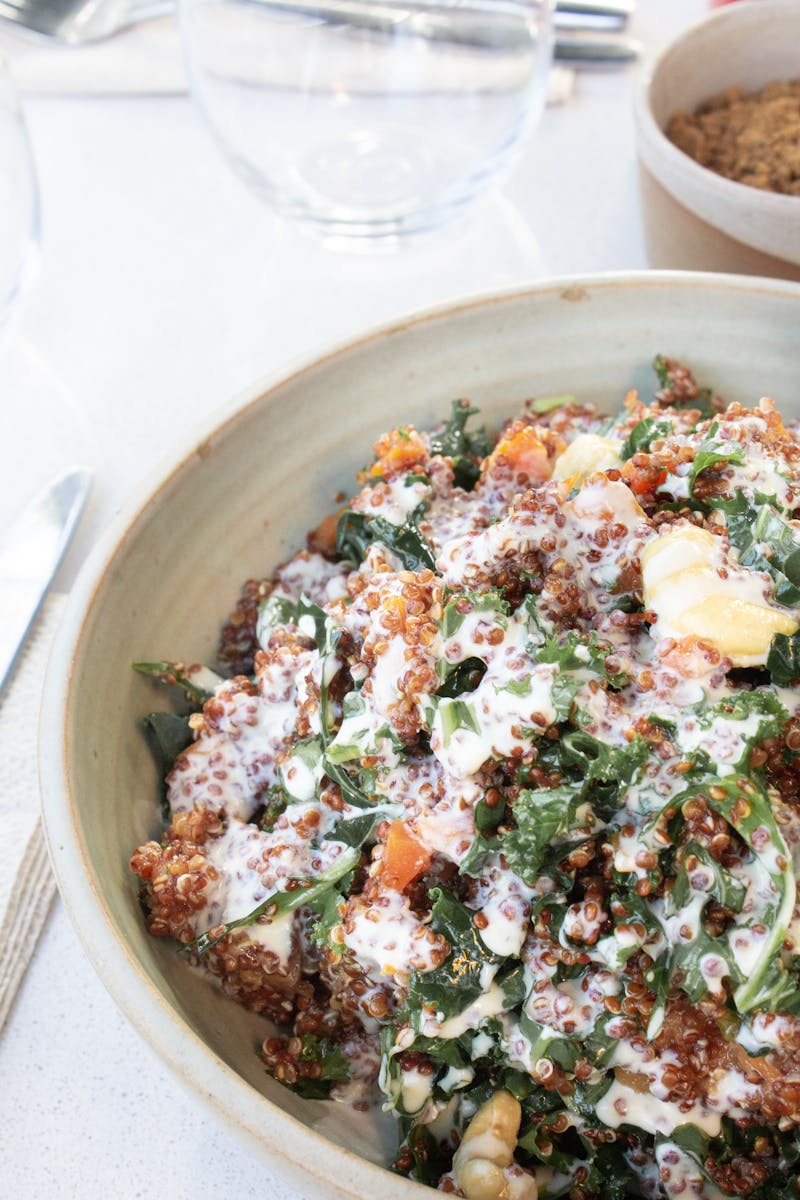
    Quinoa Kale Bowl with Edamame & Roasted Beets

    • Quinoa, steamed kale, roasted beets, edamame, olive oil, lemon juice, and herbs

    Ingredients

    • ½ cup quinoa (uncooked)
    • 1 cup edamame (cooked)
    • 1 small beet, roasted and sliced
    • 1 cup kale, steamed
    • 1 tbsp olive oil
    • Squeeze of lemon (if tolerated) or apple cider vinegar
    • Salt, garlic powder, and herbs (like parsley or basil)

    Instructions

    1. Cook quinoa as per package directions.
    2. Roast beets at 400°F for 30–35 min.
    3. Steam kale for 2–3 minutes until wilted.
    4. Combine quinoa, kale, beets, and edamame in a bowl.
    5. Drizzle olive oil and lemon juice or vinegar, season, and toss.

    Warm Lentil & Roasted Veggie Salad

    • Cooked green lentils, roasted carrots, beets, and broccoli over salad greens with tahini dressing

    Ingredients

    • ¾ cup cooked green lentils
    • 1 cup roasted veggies (e.g., carrots, beets, broccoli)
    • 1 cup salad greens
    • 1 tbsp olive oil
    • 1 tbsp tahini
    • Pinch of cumin, garlic powder, salt

    Instructions

    1. Roast veggies at 400°F for 25–30 min with olive oil and seasoning.
    2. Warm lentils if desired.
    3. Whisk tahini with olive oil, splash of water, and seasonings to make dressing.
    4. Toss all together over salad greens and serve warm.

    Chickpea & Kale Patties with Steamed Green Beans

    • Baked patties (chickpeas, kale, oat flour, spices), served with green beans and a side of mashed cauliflower

    Ingredients

    • ¾ cup cooked chickpeas
    • ½ cup kale, finely chopped
    • 2 tbsp oat flour
    • 1 tbsp olive oil
    • Garlic powder, onion powder, parsley
    • 1 cup green beans

    Instructions

    1. Mash chickpeas and mix with kale, flour, olive oil, and seasonings.
    2. Form small patties and bake at 375°F for 20 min, flipping halfway.
    3. Steam green beans and serve on the side.

    Stir-Fried Quinoa with Edamame, Kale & Spices

    • Quinoa stir-fried with kale, green beans, and edamame; seasoned with turmeric, cumin, and garlic

    Ingredients

    • ½ cup cooked quinoa
    • 1 cup kale, chopped
    • ¾ cup edamame
    • 1 tbsp olive oil
    • ¼ tsp turmeric, ¼ tsp garlic powder, pinch of cumin
    • Salt to taste

    Instructions

    1. In a pan, heat olive oil and sauté kale and edamame for 2–3 min.
    2. Add quinoa and spices, stir-fry together until heated through.
    3. Serve warm as a hearty protein-packed bowl.

    Chickpea Salad Lettuce Wraps with Yogurt Dip

    • Mashed chickpeas with herbs, olive oil, and lemon served in lettuce cups with a side of vegan yogurt dip

    Ingredients

    • ¾ cup mashed cooked chickpeas
    • 1 tbsp olive oil
    • Chopped parsley, garlic powder, salt
    • 4–6 large lettuce leaves (for wraps)
    • ¼ cup vegan yogurt (plain)
    • Optional: grated cucumber or herbs for dip

    Instructions

    1. Mash chickpeas with olive oil, parsley, garlic powder, and a pinch of salt.
    2. Spoon into lettuce leaves to form wraps.
    3. Stir herbs or cucumber into yogurt for a refreshing dip.

    Cauliflower Lentil Curry (no tomatoes)

    • Lentils, cauliflower, kale, and coconut milk in a mild curry over brown rice

    Ingredients

    • ¾ cup cooked green lentils
    • 1 cup cauliflower florets
    • ½ cup chopped kale
    • ½ cup coconut milk
    • 1 tsp turmeric, ½ tsp cumin, ½ tsp garlic powder
    • Salt to taste
    • ½ cup cooked brown rice

    Instructions

    1. Steam cauliflower and kale until tender.
    2. In a pan, combine coconut milk, spices, and lentils. Simmer 5–7 min.
    3. Add cauliflower and kale, stir, and simmer another 2–3 min.
    4. Serve over brown rice.

    Want help navigating the low histamine diet? Send us a secure message to learn more about nutrition consultations with More Spoons Nutrition. We currently conduct virtual visits in Oregon and New Mexico, covered by insurance!

    Medical disclaimer:

    This blog provides general information and discussions about health and related subjects. The information and other content provided in this blog, website or in any linked materials are not intended and should not be considered, or used as a substitute for, medical advice, diagnosis or treatment. This blog does not constitute the practice of any medical, nursing or other professional health care advice, diagnosis or treatment. We cannot diagnose conditions, provide second opinions or make specific treatment recommendations through this blog or website.

  • Low Histamine Snack Ideas

    Low Histamine Snack Ideas

    Finding satisfying snacks can be tricky when you’re navigating a low-histamine diet—especially when hunger strikes and you’re short on time. Whether you’re managing histamine intolerance, mast cell activation syndrome (MCAS), or just experimenting to see if lower histamine eating helps you feel better, having safe, go-to snack ideas can make a big difference. In this post, we’re sharing simple, nourishing low-histamine snack options to keep you fueled without the flare-ups.

    Fresh or Freeze-Friendly Low-Histamine Snacks (High-Protein)

    Steamed Edamame with Sea Salt

    • ~17g protein per cup
    • Eat fresh after steaming; don’t store in fridge long-term

    Hemp Seed Yogurt Bowl (Fresh Only)

    • ½ cup plain vegan yogurt + 2 tbsp hemp seeds + blueberries
    • ~10–12g protein
    • Eat right after preparing (vegan yogurt can build histamine if left out)

    Pumpkin Seeds or Sunflower Seeds (Raw or Dry-Roasted)

    • ~9g protein per ¼ cup
    • Great shelf-stable, no prep required

    Tofu Bites – Cooked Fresh or Reheated from Frozen

    • Lightly pan-fried or air-fried tofu cubes
    • Season with turmeric + garlic
    • Freeze in single-serve bags after cooking

    Lentil or Chickpea Patties – Frozen Then Reheated

    • Make with fresh-cooked lentils/chickpeas, herbs, oat flour
    • Bake and freeze individually, reheat in skillet or toaster oven

    Homemade Quinoa & Seed Energy Bites (Freezer-Friendly)

    • Mix cooked quinoa, seed butter (sunflower/hemp), small amount of maple syrup
    • Freeze in balls and pull one out at a time

    Lighter Fresh Snacks (Pair with seeds or protein boosters)

    • Cucumber, Carrot or Bell Pepper Slices + Tahini or Yogurt Dip
    • Fresh Fruit (Blueberries, Cherries, Pears, Apples) – Low-histamine options
    • Sweet Potato Toasts (Made Fresh)
      • Thinly sliced, baked, topped with avocado or tahini

    Lentil or Chickpea Patties (Freezer-Friendly)

    Ingredients

    • ¾ cup cooked lentils or chickpeas
    • ¼ cup oat flour
    • 1 tbsp olive oil
    • 2 tbsp chopped kale or herbs (parsley, dill)
    • ¼ tsp cumin, garlic powder, and salt

    Instructions

    1. Mash lentils or chickpeas in a bowl.
    2. Mix in oat flour, olive oil, herbs, and spices.
    3. Form into small patties (2–3 inches wide).
    4. Bake at 375°F (190°C) for 20 min, flipping halfway.
    5. Let cool, then freeze between parchment layers.
    6. Reheat in a pan, oven, or toaster oven from frozen.

    Freezer Win: Hold their shape and texture well!


    Quinoa & Seed Energy Bites (No Nuts, No Fridge Needed if Frozen)

    Ingredients

    • ½ cup cooked quinoa (cooled)
    • 2 tbsp sunflower seed butter or tahini
    • 1 tbsp hemp seeds
    • 1 tbsp maple syrup (optional)
    • Pinch of salt and cinnamon

    Instructions

    1. Mix all ingredients in a bowl.
    2. Roll into small balls (about 1 tbsp each).
    3. Freeze on a baking sheet, then store in a container.
    4. Eat straight from freezer or let thaw for 5 minutes.

    Best chilled or frozen for firmness and freshness.


    Want help from our registered dietitian in navigating the low histamine diet? We offer consultations in Washington, Oregon, New York and New Mexico, covered by insurance. Send us a secure message to find out more.

    Medical disclaimer:

    This blog provides general information and discussions about health and related subjects. The information and other content provided in this blog, website or in any linked materials are not intended and should not be considered, or used as a substitute for, medical advice, diagnosis or treatment. This blog does not constitute the practice of any medical, nursing, nutrition, or other professional health care advice, diagnosis or treatment. We cannot diagnose conditions, provide second opinions or make specific treatment recommendations through this blog or website.