
Category: Sensory Processing Disorder, ASD and ADHD

  • Nutrition, Sensory Sensitivities, and Perimenopause: An Autistic Dietitian’s Perspective

    Nutrition, Sensory Sensitivities, and Perimenopause: An Autistic Dietitian’s Perspective

    As an autistic dietitian, I often hear from autistic women who say their sensory sensitivities feel “louder” in midlife. Foods they used to tolerate suddenly feel unbearable, grocery stores feel too bright, and even the smell of cooking oil can turn a meal into a battle. What’s happening isn’t “all in your head.” For many of us, sensory changes intensify during perimenopause, when hormone levels — especially estrogen — fluctuate in ways that can amplify stress responses and sensory experiences (Harak et al, 2025).

    How Sensory Sensitivities Affect Eating

    Autistic sensory profiles vary widely, but for many of us, taste, texture, smell, or even temperature can make eating stressful. These preferences often narrow food choices, and over time, that can affect nutrient intake — especially if entire food groups (like meats, dairy, or certain vegetables) are avoided (Pérez-Cabral et al, 2024). Limited variety doesn’t just influence physical health — it can affect mood, energy, and sensory regulation. Nutrients like omega-3 fatty acids and B-vitamins support neurotransmitter balance and brain health, both of which are key for sensory processing and emotional stability (Infante et al, 2020; Długosz et al, 2025).

    Food-Based Support for Sensory Well-Being

    When I work with autistic clients — especially women in midlife — I focus first on real foods that feel safe and manageable, before considering supplements.


    Here are some strategies that often help:

    • Start with comfort textures. If smooth or crunchy foods feel best, build balanced meals around them. Smoothies, soups, and yogurt can be nutrient-dense if blended with fruits, seeds, or soft-cooked greens. Crunchy preferences? Try roasted chickpeas, seed crackers, or crisp apples with nut butter.
    • Add omega-3s without triggering texture issues. If fish is challenging, ground flaxseed or chia mixed into oatmeal, smoothies, or soft snacks can boost alpha-linolenic acid intake.
    • Use color and variety gently. Instead of forcing new foods, pair familiar favorites with one new element in small amounts — for example, a few spinach leaves blended into a fruit smoothie or grated carrots mixed into rice.
    • Mind gentle smells. Steaming or baking instead of frying reduces strong cooking odors. Cold meals like grain bowls or overnight oats can be helpful on high-sensitivity days.

    The Role of Balanced Nutrition

    Even small dietary adjustments can make a meaningful difference. Research shows that diets rich in antioxidants and anti-inflammatory foods — berries, leafy greens, legumes, nuts, and seeds — may help modulate oxidative stress and inflammation, processes linked with both brain and hormonal health (Naranjo-Galvis et al, 2025; Arteaga-Henríquez et al, 2023).


    Including adequate protein throughout the day also helps stabilize energy and mood, especially during hormone fluctuations. Lean meats, eggs, tofu, lentils, and Greek yogurt are good options — or, for texture-sensitive eaters, protein powders can be blended into tolerated bases like oatmeal or smoothies (Karhu et al, 2020).

    It’s also worth noting that some autistic women experiment with gluten-free or casein-free diets. The evidence is mixed — some report improvements in gut comfort or mood, while others see no change (Fraguas et al, 2019; Karhu et al, 2020). The key is personal fit, not restriction for its own sake. If removing a food helps you feel better, make sure the nutrients it provided (like calcium, vitamin D, or fiber) are replaced through other sources.

    Perimenopause and Hormonal Shifts

    During perimenopause, fluctuating estrogen and progesterone levels influence neurotransmitters like serotonin and GABA, which play roles in mood regulation and sensory processing. These hormonal changes can heighten sensitivities and impact sleep, focus, and emotional regulation. Research suggests that eating enough protein and omega-3 fats, along with vitamins B, C, D, and calcium, can help maintain hormonal balance and support bone and cardiovascular health during this stage (Harak et al, 2025).

    If you find your sensory sensitivities are sharper in the week before your period or during hot flashes, it’s not just coincidence. Hormonal changes alter how we experience light, sound, and even pain. On those days, focus on gentle, predictable meals that you don’t have to overthink — like oatmeal with seeds and berries, or eggs with avocado toast. Predictability can be calming for both the nervous system and digestion.

    Supplements — When and Why

    Food first, always — but there are times when supplements may be worth discussing. Deficiencies in vitamin D, B12, folate, or omega-3s are relatively common in autistic adults and may worsen fatigue or mood changes (Avram et al, 2025; Serafim et al, 2025). If blood work confirms low levels, supplementation can be helpful, but always under guidance from a healthcare provider. Some supplements, like L-carnitine or melatonin, show early promise for supporting mood or sleep in autistic adults, but the evidence is still emerging (Długosz et al, 2025).

    Gentle Nutrition for Real Life

    Autistic bodies often crave predictability and sensory safety, and nutrition can honor that. Instead of pushing drastic change, think small, supportive shifts that respect your sensory world and energy levels:

    • Keep a few go-to safe meals that meet your nutrient needs.
    • Eat regularly — even when appetite is low — to stabilize blood sugar and prevent meltdowns or crashes.
    • If food prep feels overwhelming, use frozen produce, canned beans, or pre-cooked proteins. Nutrition doesn’t have to be perfect; it has to be possible.
    • Stay hydrated — even mild dehydration can heighten sensory stress (Campbell & Spano, 2011). Try herbal teas or naturally flavored water if plain water feels unappealing.

    As autistic women, we deserve nutrition guidance that recognizes our sensory experiences, not works against them. Our needs may not fit mainstream dietary advice — and that’s okay. Supporting our bodies through perimenopause means feeding ourselves in ways that reduce overwhelm, not add to it.

    If this resonates, share it with another autistic woman navigating midlife changes. The more we talk about how sensory and hormonal health intersect, the more supportive and inclusive nutrition care can become. You can sign up for my newsletter by sending me a message below.


    This article is for informational purposes only and is not intended as medical advice. Before incorporating any of these suggestions, consult with a qualified healthcare professional. If you are seeking personalized guidance schedule a consultation with me—an registered dietitian nutritionist (RDN)—to ensure you make safe and evidence-based choices.


    References

    1. Pérez-Cabral ID, Bernal-Mercado AT, Islas-Rubio AR, et al. Exploring dietary interventions in autism spectrum disorder. Foods (Basel). 2024;13(18):3010. doi:10.3390/foods13183010
    2. Naranjo-Galvis CA, Trejos-Gallego DM, Correa-Salazar C, et al. Anti-inflammatory diet and probiotic supplementation as strategies to modulate immune dysregulation in autism spectrum disorder. Nutrients. 2025;17(16):2664. doi:10.3390/nu17162664
    3. Długosz A, Wróblewski M, Błaszak B, Szulc J. The role of nutrition, oxidative stress, and trace elements in the pathophysiology of autism spectrum disorders. Int J Mol Sci. 2025;26(2):808. doi:10.3390/ijms26020808
    4. Infante M, Sears B, Rizzo AM, et al. Omega-3 PUFAs and vitamin D co-supplementation as a safe-effective therapeutic approach for core symptoms of autism spectrum disorder: case report and literature review. Nutr Neurosci. 2020;23(10):779-790. doi:10.1080/1028415X.2018.1557385
    5. Arteaga-Henríquez G, Gisbert L, Ramos-Quiroga JA. Immunoregulatory and/or anti-inflammatory agents for the management of core and associated symptoms in individuals with autism spectrum disorder: a narrative review of randomized, placebo-controlled trials. CNS Drugs. 2023;37(3):215-229. doi:10.1007/s40263-023-00993-x
    6. Karhu E, Zukerman R, Eshraghi RS, et al. Nutritional interventions for autism spectrum disorder. Nutr Rev. 2020;78(7):515-531. doi:10.1093/nutrit/nuz092
    7. Fraguas D, Díaz-Caneja CM, Pina-Camacho L, et al. Dietary interventions for autism spectrum disorder: a meta-analysis. Pediatrics. 2019;144(5):e20183218. doi:10.1542/peds.2018-3218
    8. Serafim SDS, Sant Anna LM, Rover MRM. Dietary supplements in the management of symptoms associated with autism spectrum disorder: a scoping review. Nutr Rev. 2025;nuaf085. doi:10.1093/nutrit/nuaf085
    9. Avram OE, Bratu EA, Curis C, Moroianu LA, Drima E. Modifiable nutritional biomarkers in autism spectrum disorder: a systematic review and meta-analysis of vitamin D, B12, and homocysteine exposure spanning prenatal development through late adolescence. Int J Mol Sci. 2025;26(9):4410. doi:10.3390/ijms26094410
    10. Harak SS, Shelke SP, Mali DR, Thakkar AA. Navigating nutrition through the decades: tailoring dietary strategies to women’s life stages. Nutrition (Burbank, Los Angeles County, Calif). 2025;135:112736. doi:10.1016/j.nut.2025.112736
    11. Campbell BI, Spano MA. NSCA’s Guide to Sport and Exercise Nutrition. Champaign, IL: Human Kinetics; 2011.
  • What is Dopamine Mining?

    What is Dopamine Mining?

    Dopamine Mining in ADHD: A Food-Based Perspective

    What is Dopamine Mining?
    In ADHD, the brain often seeks quick dopamine hits. Foods high in sugar, fat, and refined carbs trigger a fast, intense reward—leading to “dopamine mining,” or over-relying on these foods to feel good.

    Why It Matters:
    This behavior can worsen mood swings, energy crashes, and executive function—making focus and consistency harder.


    Common Dopamine-Mining Foods

    • Sugary snacks (candies, pastries, soda)
    • Ultra-processed carbs (white bread, chips)
    • High-fat + high-sugar combos (ice cream, donuts)

    These hijack dopamine receptors, creating a cycle of craving and crash.


    How to Overcome It with Food

    Goals:

    • Provide steady dopamine support through whole foods
    • Satisfy sensory needs (crunchy, chewy, creamy)
    • Include protein, fiber, and healthy fats to balance blood sugar

    Smart Snack Swaps for Dopamine Balance

    Each of these hits the sweet/chewy/creamy combo while supporting brain chemistry:

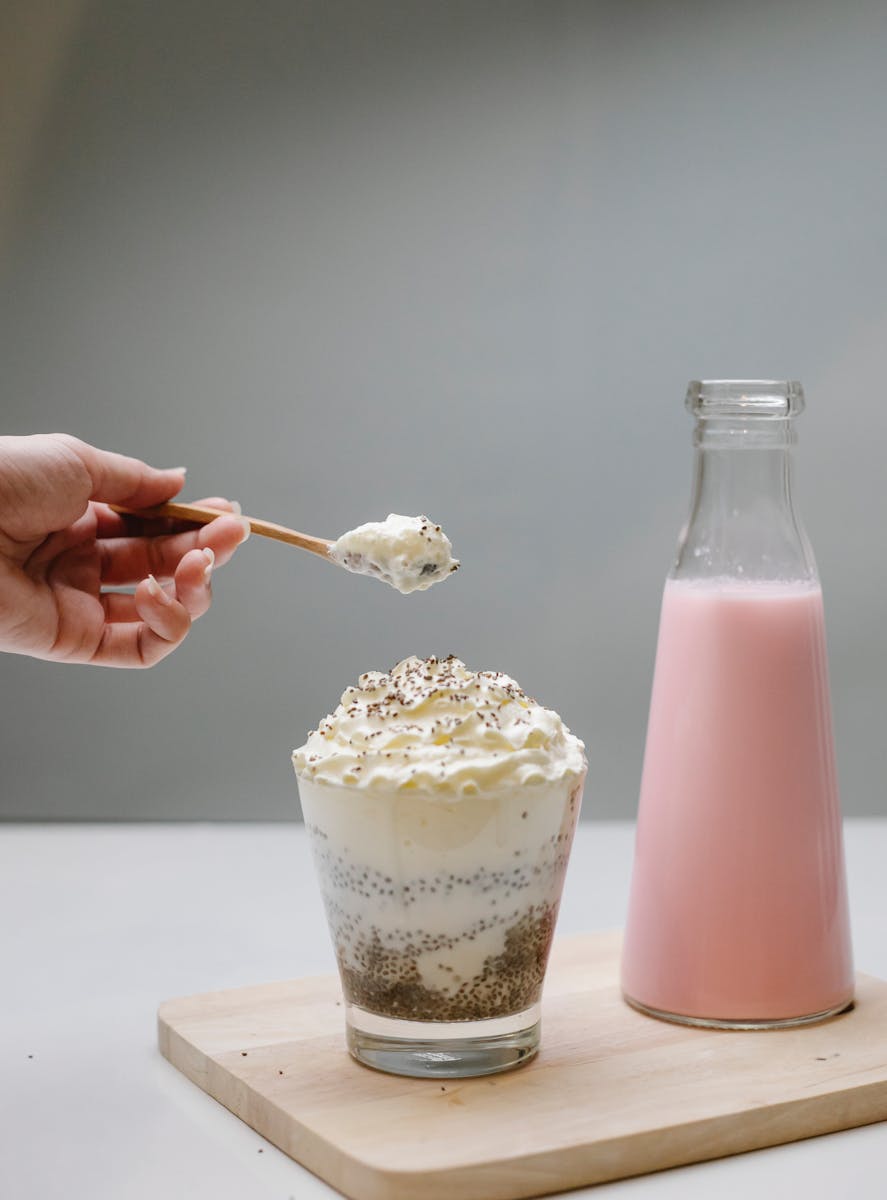
    • “Fluffy Yogurt” Bowl:
      Greek yogurt (plain or vanilla), chia seeds, berries, chopped dried figs, a sprinkle of granola or cocoa nibs.
    • Protein Date Rolls:
      Medjool dates filled with nut butter and rolled in shredded coconut or crushed peanuts.
    • Frozen Banana Pops:
      Half bananas dipped in dark chocolate, rolled in nuts/seeds, and frozen.
    • Cottage Cheese + Apple Slices:
      Add cinnamon and sunflower seeds for crunch.
    • Tofu Berry Smoothie:
      Silken tofu, frozen berries, oats, and a dash of maple syrup. Optional: splash of vanilla extract.
    • Nut Butter Rice Cake Stack:
      Almond butter, banana slices, hemp seeds, and a light drizzle of honey.
    • Chickpea Cookie Dough Bites:
      Mashed chickpeas, peanut butter, oat flour, vanilla, mini dark chocolate chips.

    Tips for Long-Term Change

    • Pair carbs with protein/fat to avoid crashes.
    • Satisfy texture cravings (crunch, chew) with nuts, seeds, dried fruit, and whole grains.
    • Don’t restrict—balance is more sustainable than elimination.

    Want to work with a neurodivergent dietitian? Send me a message below. I’m in-network with insurance!

    This article is for informational purposes only and is not intended as medical advice. Before incorporating ginseng or any supplement into your routine, consult with a qualified healthcare professional. If you are seeking personalized guidance on herbal supplementation, schedule a consultation with me—an integrative registered dietitian nutritionist (RDN)—to ensure you make safe and evidence-based choices.

  • Healthy and Sensory-Friendly Thanksgiving Recipes

    Healthy and Sensory-Friendly Thanksgiving Recipes

    Thanksgiving is a wonderful time for gathering, sharing gratitude, and of course, enjoying delicious food. However, for neurodivergent families, this holiday can be filled with unique sensory challenges, food aversions, and a need for predictability. Whether it’s a preference for familiar textures, sensitivities to certain flavors, or a strict need for routine, finding the right Thanksgiving recipes can be tricky. The good news is that with a little planning, you can create a sensory-friendly, nutritious, and enjoyable Thanksgiving spread for everyone.

    In this blog post, I’m sharing a selection of healthy Thanksgiving recipes that prioritize sensory needs and nutrition while keeping holiday traditions in mind. These recipes are designed to be adaptable, simple, and family-friendlyso everyone can feel comfortable and included at the table. But remember, everyone has unique sensory needs, and there is no one-size-fits-all approach.

    1. Smooth Mashed Sweet Potatoes with Coconut Milk

    Mashed potatoes are a staple on Thanksgiving tables, but for those with texture sensitivities, the standard chunky version might be off-putting. This recipe uses sweet potatoes and creamy coconut milk for a smooth, naturally sweet side dish that’s easy on the taste buds and full of nutrients.

    Ingredients:

    • 3 large sweet potatoes, peeled and cubed
    • 1/2 cup full-fat coconut milk
    • 1 tablespoon olive oil or melted ghee
    • 1/2 teaspoon salt
    • Optional: a pinch of cinnamon or nutmeg for a holiday twist

    Instructions:

    1. Boil the sweet potatoes until tender (about 15-20 minutes).
    2. Drain and transfer to a large bowl.
    3. Add the coconut milk, olive oil, and salt. Mash with a potato masher or use an immersion blender for a smoother texture.
    4. Serve warm and let everyone add their own seasoning if desired.

    Why It Works: The smooth texture and natural sweetness of this dish can appeal to picky eaters and those who prefer mild, predictable flavors.


    2. Crispy Baked Chicken Strips (Gluten-Free)

    While turkey is the traditional star of Thanksgiving, not every child is comfortable with it, especially if they have strong food aversions or a preference for familiar foods like chicken tenders. These gluten-free baked chicken strips offer a crispy, flavorful alternative that many kids already love.

    Ingredients:

    • 1 lb chicken breast, cut into strips
    • 1/2 cup almond flour (or gluten-free breadcrumbs)
    • 1/4 cup ground flaxseed
    • 1 teaspoon garlic powder
    • 1 teaspoon onion powder
    • Salt and pepper to taste
    • 1 egg, beaten

    Instructions:

    1. Preheat your oven to 400°F (200°C) and line a baking sheet with parchment paper.
    2. Mix the almond flour, ground flaxseed, garlic powder, onion powder, salt, and pepper in a shallow bowl.
    3. Dip each chicken strip in the beaten egg, then coat it with the flour mixture.
    4. Place on the baking sheet and bake for 15-20 minutes, flipping halfway through, until golden and crispy.
    5. Serve with a simple dipping sauce like honey mustard or ketchup.

    Why It Works: These chicken strips provide a familiar, crunchy texture that can help reduce anxiety around unfamiliar foods on the Thanksgiving table.


    3. Roasted Carrot “Fries”

    Vegetables can be a tough sell for many autistic children, especially if they have strong aversions to certain textures or tastes. Roasting carrots into “fries” brings out their natural sweetness and provides a crispy, finger-friendly option that can feel more like a treat.

    Ingredients:

    • 6 large carrots, peeled and cut into sticks
    • 2 tablespoons olive oil
    • 1/2 teaspoon salt
    • Optional: a sprinkle of dried parsley or rosemary

    Instructions:

    1. Preheat your oven to 425°F (220°C).
    2. Toss the carrot sticks with olive oil and salt.
    3. Arrange in a single layer on a baking sheet.
    4. Roast for 20-25 minutes, turning halfway through, until crispy on the edges.
    5. Serve warm as a side dish or snack.

    Why It Works: Roasted carrot fries are a great way to introduce vegetables in a fun, familiar format that many kids find less intimidating.


    4. “No Surprise” Apple Crisp (Refined Sugar-Free)

    Thanksgiving desserts can often be too sweet or contain unexpected ingredients that make them unappealing for some kids. This simple apple crisp is free from refined sugars and uses oats for a familiar, crunchy topping without nuts (a common sensory aversion).

    Ingredients:

    • 4 medium apples, peeled and thinly sliced
    • 1 tablespoon lemon juice
    • 2 tablespoons maple syrup or honey
    • 1 teaspoon cinnamon
    • 1 cup rolled oats
    • 1/4 cup coconut oil, melted
    • 1/4 cup coconut sugar (optional)

    Instructions:

    1. Preheat your oven to 350°F (175°C).
    2. Toss the apple slices with lemon juice, maple syrup, and cinnamon, then spread them in a baking dish.
    3. In a separate bowl, mix the oats, melted coconut oil, and coconut sugar (if using).
    4. Sprinkle the oat mixture evenly over the apples.
    5. Bake for 30-35 minutes, until the topping is golden brown and the apples are tender.

    Why It Works: This apple crisp has a predictable texture and flavor, making it more approachable for kids with sensory differences. Plus, it’s lightly sweetened, making it a healthier option.


    Tips for a Sensory-Friendly Thanksgiving:

    1. Prepare a Visual Menu: Show your child what’s being served with pictures or a simple menu. This can help reduce anxiety around new or unfamiliar foods.
    2. Serve at Least One Safe Food: Include at least one familiar, “safe” food that you know your child enjoys. This helps them feel more comfortable at the table.
    3. Encourage Exploration Without Pressure: Offer new foods without forcing them to try. Let them explore the food with their senses before taking a bite.
    4. Limit Strong Smells: Keep heavily spiced or strong-smelling foods to one side of the table to reduce sensory overload.
    5. Plan for Breaks: Allow your child to step away from the table if they become overwhelmed. This can help make the experience more enjoyable for everyone.

    Final Thoughts:

    Thanksgiving doesn’t have to be stressful or overwhelming for families. By focusing on familiar textures, simple flavors, and nutritious ingredients, you can create a meal that everyone can enjoy. Remember, it’s not just about the food on the table, but the love and connection shared around it.

    I hope these recipes bring joy and comfort to your Thanksgiving celebration. Wishing you a happy, healthy, and sensory-friendly holiday!

  • Understanding Sensory Processing Differences and Nutritional Interventions

    Understanding Sensory Processing Differences and Nutritional Interventions

    Understanding Sensory Processing Differences Explained

    Sensory processing differences affect how individuals perceive and respond to sensory information from their environment. These differences can impact daily life and are commonly seen in conditions such as autism spectrum disorder (ASD), attention-deficit/hyperactivity disorder (ADHD), and sensory processing disorder (SPD). Nutrition can play a crucial role in managing sensory processing differences, providing support for improved behavior, attention, and overall well-being. Here’s a comprehensive guide to understanding sensory processing differences and the potential nutritional interventions.

    What Are Sensory Processing Differences?

    Sensory processing refers to the way the nervous system receives messages from the senses and turns them into appropriate motor and behavioral responses. Sensory processing differences occur when this process is disrupted, leading to either hypersensitivity (over-responsiveness) or hyposensitivity (under-responsiveness) to sensory stimuli.

    Common Symptoms of Sensory Processing Differences:

    • Hypersensitivity: Individuals may be overly sensitive to sensory input, such as bright lights, loud noises, certain textures, or specific tastes and smells.
    • Hyposensitivity: Individuals may seek out additional sensory input, such as rough textures, spicy foods, or strong smells, to satisfy their sensory needs.

    These differences can affect eating behaviors, food preferences, and overall nutrition.

    The Connection Between Nutrition and Sensory Processing

    Nutrition can influence sensory processing in various ways. Certain nutrients are essential for brain function and development, which can impact sensory processing. Additionally, some dietary interventions can help manage symptoms and improve quality of life.

    Key Nutrients for Sensory Processing:

    • Omega-3 Fatty Acids: Found in fatty fish, flaxseeds, and walnuts, omega-3 fatty acids support brain health and cognitive function, which can help with sensory processing.
    • Magnesium: Present in leafy greens, nuts, and seeds, magnesium plays a role in nerve function and can help reduce anxiety and hyperactivity.
    • Zinc: Found in meat, shellfish, and legumes, zinc is crucial for brain development and immune function.
    • Probiotics: Present in yogurt, kefir, and fermented foods, probiotics support gut health, which is linked to brain function and behavior.
    • Iron: Found in red meat, beans, and fortified cereals, iron is essential for brain development and cognitive function.

    Nutritional Interventions for Sensory Processing Differences

    1. Elimination Diets:

    • Some individuals with sensory processing differences may have food sensitivities or allergies that exacerbate symptoms. An elimination diet can help identify and remove trigger foods, potentially improving sensory processing.

    2. Texture and Taste Modifications:

    • Sensory processing differences can lead to strong preferences or aversions to certain food textures and tastes. Offering a variety of food textures and slowly introducing new textures can help expand food acceptance.
    • Pureeing vegetables or blending fruits into smoothies can help make nutrient-dense foods more palatable.

    3. Scheduled Meals and Snacks:

    • Consistent meal and snack times can help regulate hunger and satiety cues, which is especially important for individuals with sensory processing differences who may struggle with irregular eating patterns.

    4. Sensory-Friendly Eating Environment:

    • Creating a calm and structured eating environment can reduce sensory overload.
    • Allowing for sensory breaks and using tools like noise-canceling headphones or weighted blankets can help create a more comfortable eating experience.

    5. Incorporating Nutrient-Rich Foods:

    • Focus on including nutrient-dense foods that support brain health and overall well-being. Foods rich in omega-3 fatty acids, magnesium, zinc, probiotics, and iron should be incorporated into the diet.
    • Offering a balanced diet with a variety of fruits, vegetables, whole grains, lean proteins, and healthy fats can help ensure nutritional needs are met.

    6. Professional Guidance:

    • Working with a registered dietitian at More Spoons Nutrition, who specializes in sensory processing differences, can provide personalized dietary recommendations and support.
    • Occupational therapists can also offer strategies for improving sensory integration and food acceptance.

    Sensory processing differences can significantly impact eating behaviors and nutritional status. By understanding these differences and implementing targeted nutritional interventions, parents and caregivers can help improve the dietary habits and overall well-being of individuals with sensory processing challenges. Fostering a supportive eating environment and focusing on nutrient-rich foods can make a positive difference in managing sensory processing differences.