Category: MCAS

  • Understanding MCAS Subtypes: The Role of Heat & Cold

    Understanding MCAS Subtypes: The Role of Heat & Cold

    Mast Cell Activation Syndrome (MCAS) is a complex condition that causes episodes of allergy-like symptoms, digestive complaints, and multi-system issues. Because symptoms vary so much, MCAS is often overlooked or misdiagnosed. In 2023, Häder and colleagues published a landmark study in Digestive Diseases and Sciences that identified distinct subtypes of MCAS based on physical triggers, particularly heat and cold. PMC


    What the Researchers Did

    Using data from 250 MCAS patients, the researchers applied hierarchical and two-step cluster analyses — statistical methods that group individuals with similar patterns — to symptoms and trigger responses reported in clinical histories and checklists.


    Three MCAS Subtypes Based on Temperature Triggers

    The study uncovered three clinically meaningful clusters of MCAS patients:

    • Cluster 1 — High Responders:
      These patients reported strong reactions to both heat and cold, along with wide-ranging symptoms affecting the skin, heart, gut, and nervous system.
    • Cluster 2 — Intermediate Responders:
      Individuals in this group reacted strongly to heat, but not to cold, and also tended to have significant symptoms.
    • Cluster 3 — Low Responders:
      This cluster had minimal reaction to temperature extremes and generally reported fewer clinical symptoms.

    Clinical Patterns and What They Mean

    The analysis didn’t stop at triggers. The research team also explored associations between symptoms and triggers:

    • Histamine-rich meals were mainly linked with abdominal discomfort.
    • Exercise often preceded dermatologic symptoms.
    • Periods without food and physical exertion were tied to neurological complaints like fatigue or word-finding issues.

    These patterns suggest that temperature sensitivity could reflect underlying differences in how mast cells activate in different people, which might help personalize treatment.


    Why This Research Is Important

    This study marks one of the first attempts to categorize MCAS patients based on trigger response patterns, rather than only on symptoms or lab tests. A trigger-based classification can make diagnosis more accurate and help clinicians tailor treatment to the needs of individual patients.


    The Takeaway

    MCAS isn’t one-size-fits-all. Some patients react strongly to heat and cold, others only to heat, and some scarcely react to temperature at all. Recognizing these subtypes can improve patient care, empower patients with self-management tools, and guide future research.


    Cited Article

    Häder, T., Molderings, G.J., Klawonn, F. et al. Cluster-Analytic Identification of Clinically Meaningful Subtypes in MCAS: The Relevance of Heat and Cold. Digestive Diseases and Sciences 68, 3400–3412 (2023). https://doi.org/10.1007/s10620-023-07921-5 pubmed.ncbi.nlm.nih.gov


    Want personalized, complex chronic illness, health at every size (HAES), nutrition support? Please send me a secure message!

    In order for your message to be secure, you must use the link. Please do not send messages directly to the email. That email is not secure on its own. Thank you!

    This article is for informational purposes only and is not intended as medical advice. Before incorporating any of these suggestions, consult with a qualified healthcare professional. If you are seeking personalized guidance schedule a consultation with me—an integrative registered dietitian nutritionist (RDN)—to ensure you make safe and evidence-based choices.
  • Can Dairy Be Included in a Low-Histamine Diet?

    Can Dairy Be Included in a Low-Histamine Diet?

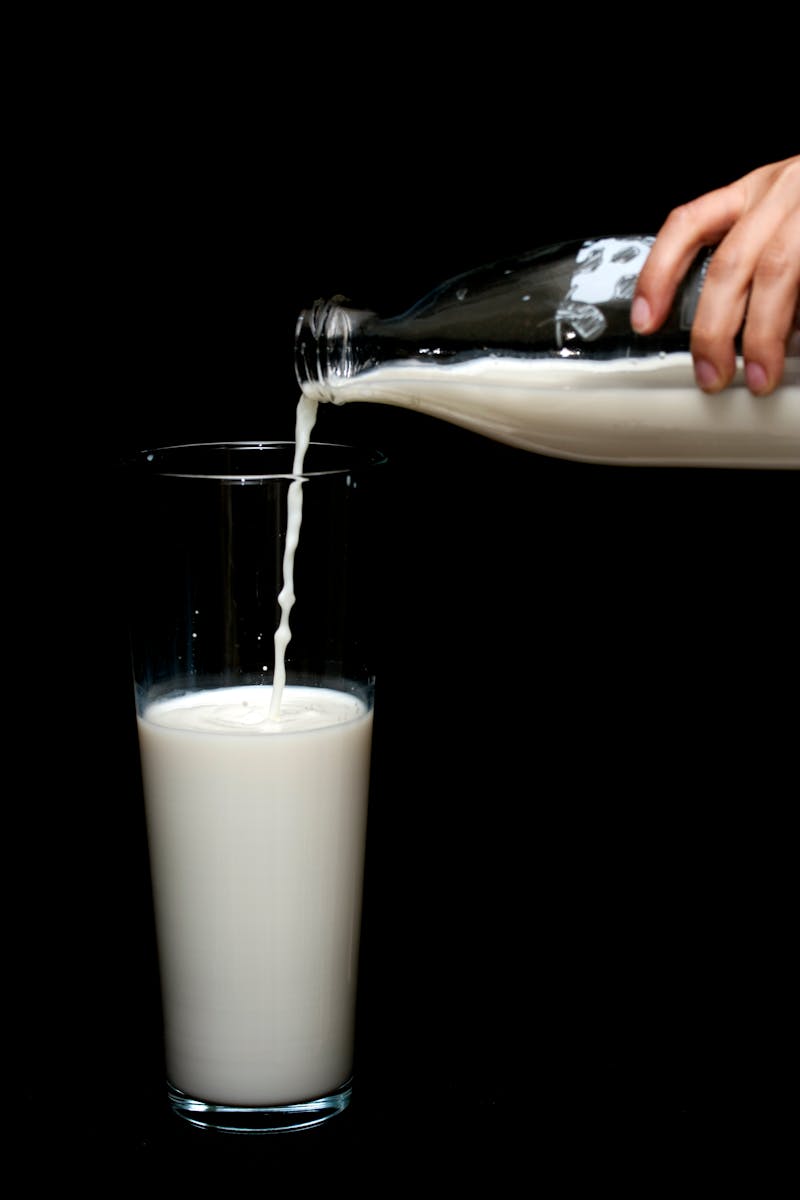
    If you’re trying to follow a low histamine diet to manage symptoms of mast cell activation headaches rashes fatigue or digestive issues one of the trickiest food groups to navigate is Dairy. Remember everyone has different sensitivities! Some types of dairy are tolerated better than others.

    What types of dairy are generally tolerated?

    • Fresh, pasteurized milk (especially whole milk)
    • Fresh, unripened cheese such as
      • Ricotta
      • Cream cheese
      • Mozzarella
      • Farmers cheese
      • Goat cheese
    • Butter and ghee

    The yellow zone dairy – has some histamine but still might be tolerated.

    • Low-fat dairy – More on this below.
    • Cultured dairy – it depends on the culture. More on this below.
      • Yogurt
      • Sour cream
      • Creme Fraiche

    Types of that are dairy consider higher histamine:

    • Aged or ripened cheeses – if it’s stinky or hard it’s high in histamine.
      • Cheddar
      • Parmesan
      • Gouda
      • Swiss
      • Blue cheese
      • Brie
      • Camembert
    • Some cultured dairy
      • Kefir

    Whole Milk vs. Low-Fat Milk: Which Is Better?

    Although many people may need to avoid whole milk because of other health conditions, such as high cholesterol, whole milk is preferred on the low-histamine diet.

    • Low fat milk undergoes more processing including homogenization and sometimes additional additives which can affect how the body reacts.
    • The fat and whole milk acts as a buffer and slows absorption possibly reducing histamine related reactions.
    • Some low fat products may contain emulsifiers or stabilizers that can irritate sensitive systems.

    Unripened Cheese vs. Cheddar

    It all comes down to fermentation and aging.

    • Unripe and cheese like ricotta or goat cheese are made quickly and have minimal bacterial activity meaning little no histamine accumulates.
    • Cheddar and other aged cheeses are fermented over weeks or months which drastically increases histamine levels. The bacteria involved in aging breakdown proteins and release histamine as a byproduct.

    When choosing cheese, the fresher, the better!

    What About Yogurt?

    It depends on the culture! yogurt is a grey area on the low-histamine diet. Yogurts are can be high in histamine due to bacterial fermentation, but not all cultures produce the same histamine levels.

    Traditional yogurt cultures like Lactobacillus bulgaricus and Streptococcus thermophilus can produce histamine as a byproduct. However, some probiotic strains are histamine degrading, and may even help lower your body’s histamine load, such as Lactobacillus rhamnosus GG, Bifidobacterium infantis.

    The length of fermentation and storage time also matters. Longer times typically mean more histamine. Your safest bet is making yogurt at home with your own low-histamine and probiotic cultures. You can use your low-histamine probiotic as a culture. You don’t have to go out and buy special yogurt cultures.

    If you want to try adding dairy to you diet remember:

    • Not all dairy is off limits! Don’t over restrict! Small changes can make a big difference in how you feel!
    • Always check the ingredients for additives or thickeners.
    • Buy in small amounts and consume quickly to avoid build up overtime.
    • Everyone is different. Not everyone will tolerate the same foods. Listen to your body!

    This article is for informational purposes only and is not intended as medical advice. Before incorporating any of these suggestions, consult with a qualified healthcare professional. If you are seeking personalized guidance on herbal supplementation, schedule a consultation with me—an integrative registered dietitian nutritionist (RDN)—to ensure you make safe and evidence-based choices.

    This is a secure message link. You will receive a code separately when you get a reply from HippoMail. Please be on the lookout for that.